

 Apr 14, 26
Tesla Semi Factory Goes Live, A Major Shift for Trucking Is Closer Than Ever
This article is based on reporting originally published by Basenor, Teslarati, and SpeedMe.
Tesla Moves From Talk to Production
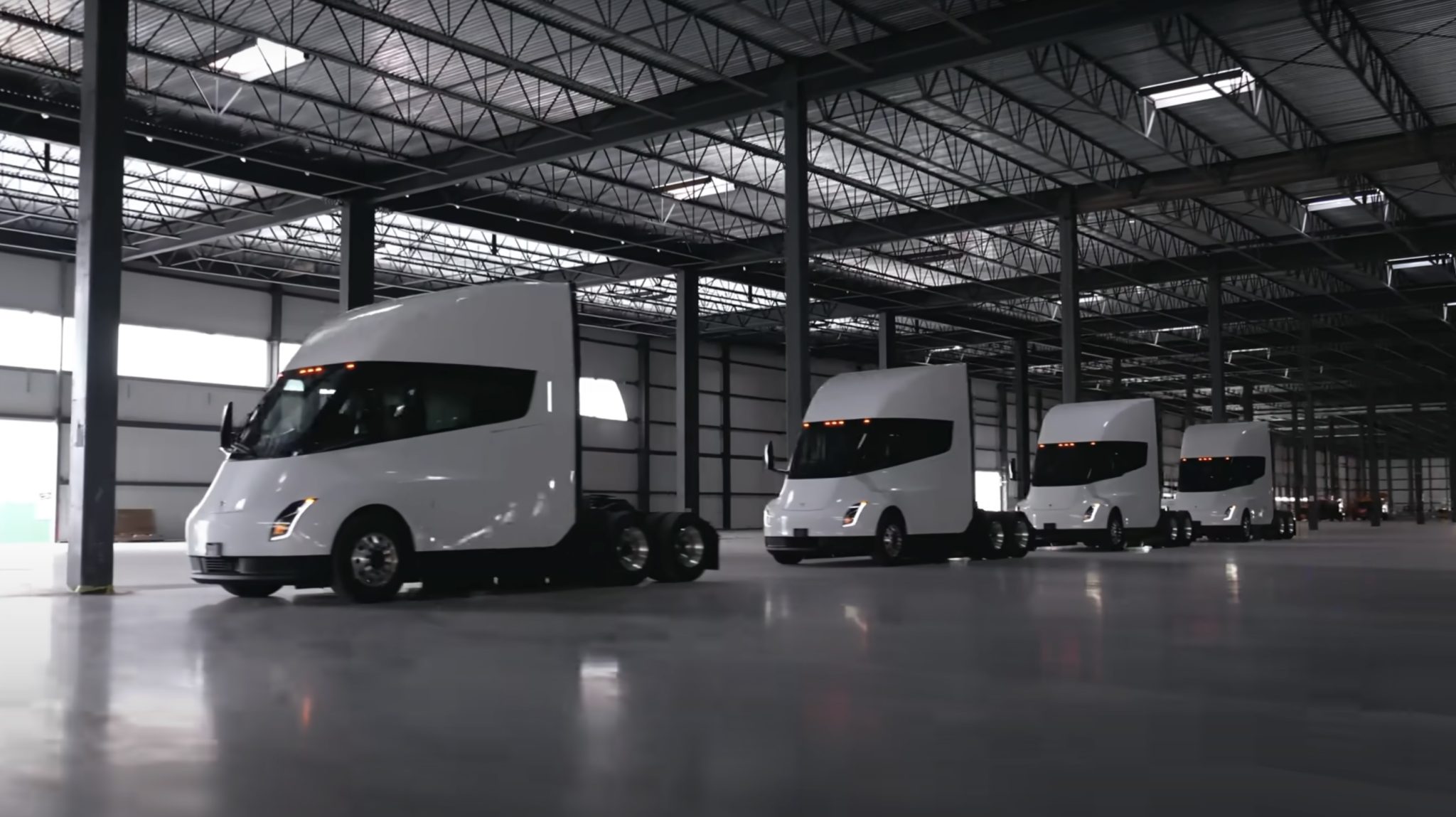
After years of delays, announcements, and skepticism across the industry, Tesla has officially started production of the Semi at its new Nevada factory, marking one of the most important milestones in electric trucking so far. The facility, a 1.7-million-square-foot plant located in Sparks, Nevada, is designed specifically for the Semi program and represents Tesla’s first real attempt to scale electric Class 8 trucks in serious numbers.
For truckers who have been hearing about this truck since 2017, this is the first time it actually feels real, not prototypes, not pilot units, but trucks moving through a production line.
From Bottleneck to Production Line
One of the biggest reasons the Tesla Semi kept getting delayed was simple: batteries. Without enough battery supply, there was no way to scale production. That’s why Tesla built this factory right next to its Gigafactory Nevada, where its 4680 battery cells are produced.
That decision changes everything.
With battery production and truck assembly happening side by side, Tesla is removing the main constraint that held the program back for years. Production officially began in early 2026, and the company is targeting a ramp to up to 50,000 trucks per year, a number that would put it directly in competition with major diesel truck manufacturers.
To put that into perspective, many established OEMs in the Class 8 market sell between 30,000 and 40,000 units annually. If Tesla reaches its target, it won’t just participate in the market, it will become a major player.
Several major fleets are already running Tesla Semis in real operations. Companies like PepsiCo, Walmart, DHL, and Costco have been testing and expanding their use of the trucks, giving Tesla valuable real-world data while also proving that the concept can work outside of controlled environments.
For drivers, this matters because it means these trucks are not just experimental anymore. They are hauling real freight, running real routes, and slowly becoming part of everyday operations in certain segments of the industry.
The Charging Question Is Starting to Be Answered
One of the biggest concerns around electric trucking has always been infrastructure. Tesla is now starting to address that with its Megacharger network, designed specifically for heavy-duty trucks.
The first public Megacharger site is already operational in California, delivering up to 750 kW of charging power, with future capability reaching 1.2 megawatts. Tesla plans to expand this network across major freight corridors, with dozens of locations expected in the coming years.
That doesn’t solve everything overnight, especially for long-haul operations, but it shows that the ecosystem around electric trucking is starting to take shape, not just the trucks themselves.
For drivers across the U.S., this isn’t about replacing diesel tomorrow. It’s about understanding where the industry is heading.
The Tesla Semi brings a different kind of driving experience, with no shifting, instant torque, and a quieter cab, which could reduce fatigue over long hours. At the same time, it introduces new considerations, like charging schedules, route planning around infrastructure, and adapting to new technology inside the cab.
The launch of this factory is not just about Tesla. It’s about what happens when a new technology finally reaches scale in an industry that doesn’t change easily.
Electric trucks have been talked about for years, but scale is what makes the difference. With production ramping and fleets already involved, the Semi is moving from a concept to a real part of the market. It won’t happen overnight, and diesel will remain a major part of trucking for years to come. But for the first time, there’s a clear sign that something new is entering the industry in a serious way.
The Tesla Semi program has gone from delays and uncertainty to real production, real fleets, and real momentum. With a factory built for scale and infrastructure starting to grow around it, electric trucking is no longer just something to watch, it’s something that’s beginning to take shape on the road.
The real question now is,
how soon will you start seeing these trucks show up in your day-to-day operations… and what will that mean for the way you run your miles?
Images sourced from Teslarati (https://www.teslarati.com). Used for editorial purposes.